How to Implement Machine Vision Inspection in Your Business?
In today's competitive landscape, businesses are seeking ways to enhance quality control. One effective solution is Machine Vision Inspection. This technology uses cameras and software to analyze visual data. It can identify defects, measure dimensions, and ensure compliance.
Implementing Machine Vision Inspection can seem daunting. Companies often fear high costs and technical challenges. However, the benefits can outweigh these concerns. A well-implemented system reduces human error. It increases efficiency and consistency in production. Yet, many firms struggle with the integration process. They may overlook key factors, such as employee training.
Machine Vision Inspection is not a one-size-fits-all solution. Every business has unique needs and challenges. It requires careful planning and a clear understanding of objectives. Reflecting on past mistakes in technology adoption is crucial. By addressing these issues, companies can successfully enhance their quality assurance processes.
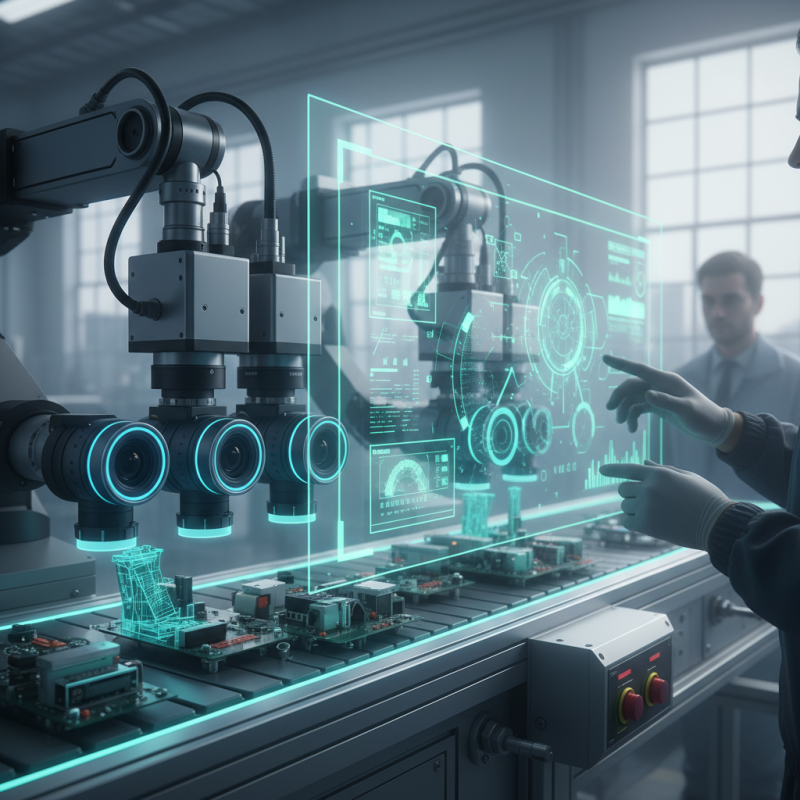
Understanding the Basics of Machine Vision Technology in Industry
Machine vision technology plays a critical role in modern industry. It uses cameras and software to inspect products for quality. Employing this technology can reduce human error and speed up production. Cameras capture images, while algorithms analyze them for defects. This automated process enhances consistency across production lines.
Implementing machine vision is not without challenges. Companies may face initial integration issues. The setup can be costly, and staff may need retraining. Adjusting to new technology takes time and patience. Not all defects are easily detectable, especially in complex products. Regular system updates are necessary to improve accuracy.
Defining clear inspection criteria is essential. Companies should understand their specific needs before adopting this technology. Each industry has different requirements, and solutions must be tailored. Continuous evaluation of the system's effectiveness ensures it meets quality standards. Embracing machine vision can be transformative, but it requires careful planning and ongoing commitment.
Key Benefits of Implementing Machine Vision Inspection Systems
Implementing machine vision inspection systems can significantly enhance operational efficiency. One key benefit is the improvement in quality control. According to a report by the International Society of Automation, machine vision systems can increase defect detection rates by up to 90%. This reduction in defects translates to cost savings and higher customer satisfaction.
Another advantage is the speed of inspection. Traditional manual inspections can take time and often lead to human error. Machine vision systems operate much faster. They can inspect hundreds of products in a minute. This efficiency boosts production rates and minimizes downtime.
Tip: Start with a pilot program. Test the system on a small scale before a full rollout. It allows you to evaluate performance and address any challenges.
Tips: Regularly review inspection criteria. Evolving product designs may require adjustments in the inspection process. Staying dynamic is essential for long-term success.
It’s also important to train employees. Understanding how to work alongside machine vision systems is vital. A lack of training can lead to resistance and underutilization. Consider integrating training into your onboarding process. This ensures everyone is on the same page.
Critical Factors for Selecting the Right Machine Vision Solutions
Selecting the right machine vision solutions is crucial for businesses looking to enhance their quality control processes. A recent industry report states that approximately 32% of companies face challenges in evaluating machine vision systems. The integration of these solutions can significantly improve accuracy and reduce inspection times. However, not all systems fit every application. It's essential to consider specific factors.
One critical factor is the type of camera technology used. For instance, line-scan cameras excel in high-speed production lines but may not suit applications requiring high-resolution imaging. Additionally, understanding lighting options can greatly impact inspection quality. The wrong lighting choice can lead to poor image clarity, affecting defect detection rates. In fact, around 60% of inspection errors stem from inadequate lighting setups.
Another key aspect involves software capabilities. Advanced algorithms can enhance image processing but require skilled personnel for configuration and maintenance. Many companies underestimate the training needed to maximize these systems. A survey revealed that nearly 40% of users do not fully utilize their machine vision software features. These gaps highlight the importance of aligning technology with operator expertise to achieve the desired results. Avoiding these pitfalls can lead to improved operational efficiency and cost savings.
How to Implement Machine Vision Inspection in Your Business? - Critical Factors for Selecting the Right Machine Vision Solutions
| Factor | Description | Importance Level |
| Optical Resolution | The ability of a camera to resolve detail in an image. | High |
| Processing Speed | The speed at which the vision system can analyze images. | High |
| Lighting Conditions | Control of illumination to avoid shadows and reflections. | Medium |
| Software Ease of Use | User-friendliness of the machine vision software. | High |
| Integration Capability | Ease of integrating the solution with existing systems. | High |
| Support and Maintenance | Availability of customer support and maintenance services. | Medium |
| Cost and Budget | Overall cost of the system relative to the ROI. | High |
Steps to Integrate Machine Vision into Your Production Workflow
Integrating machine vision into your production workflow requires careful planning and execution. Begin by assessing your current processes. Identify tasks that are repetitive and prone to human error. For example, visual inspections often suffer from fatigue. This is where machine vision can shine. Consider the specific objectives you want to achieve, such as increasing accuracy or reducing cycle times.
Next, choose the right vision system for your needs. Not all systems are equal. Some work better in low-light conditions, while others excel in high-speed scenarios. Pilot testing is essential. Implement the technology on a small scale first to gather data and insights. You might find the system isn't as effective as expected. Common issues include misaligned cameras or poor lighting. This requires adjustment and experimentation.
Once you've refined the setup, integrate the system into your existing workflow. Train your staff to interface with the new technology. They need to understand how to troubleshoot issues. Incorporating feedback from operators can help fine-tune the process. Remember, adaptation takes time. Monitor the system's performance continuously. Look for areas of improvement. Machine vision isn't a one-size-fits-all solution. The path to successful integration is often paved with challenges and learning opportunities.
Measuring ROI: Assessing the Impact of Machine Vision on Quality Control
Measuring the return on investment (ROI) for machine vision in quality control is vital for any business considering automation. A recent industry report noted that companies implementing machine vision have seen a 20-30% reduction in inspection costs. These savings come from decreased labor expenses and fewer defects. Furthermore, automated inspections can run 24/7, driving significant productivity gains.
However, measuring this impact isn't always straightforward. Businesses can struggle to quantify the exact benefits of reduced error rates. While many report improved quality, tracking specific metrics can be challenging. An investigation by a leading research organization revealed that only 40% of companies effectively assess their machine vision ROI. This inconsistency raises concerns about misallocation of resources.
It's crucial to focus on key performance indicators, such as defect rates and customer satisfaction. A drop in these areas could indicate machine vision systems are not meeting expectations. Data mining techniques can help businesses evaluate performance better, but many lack the expertise to analyze this information effectively. Ensuring continuous improvement through regular reviews is essential for maximizing the potential of machine vision technology.